Case studyGenerative art · Creative coding · Sound
A Study of Motion
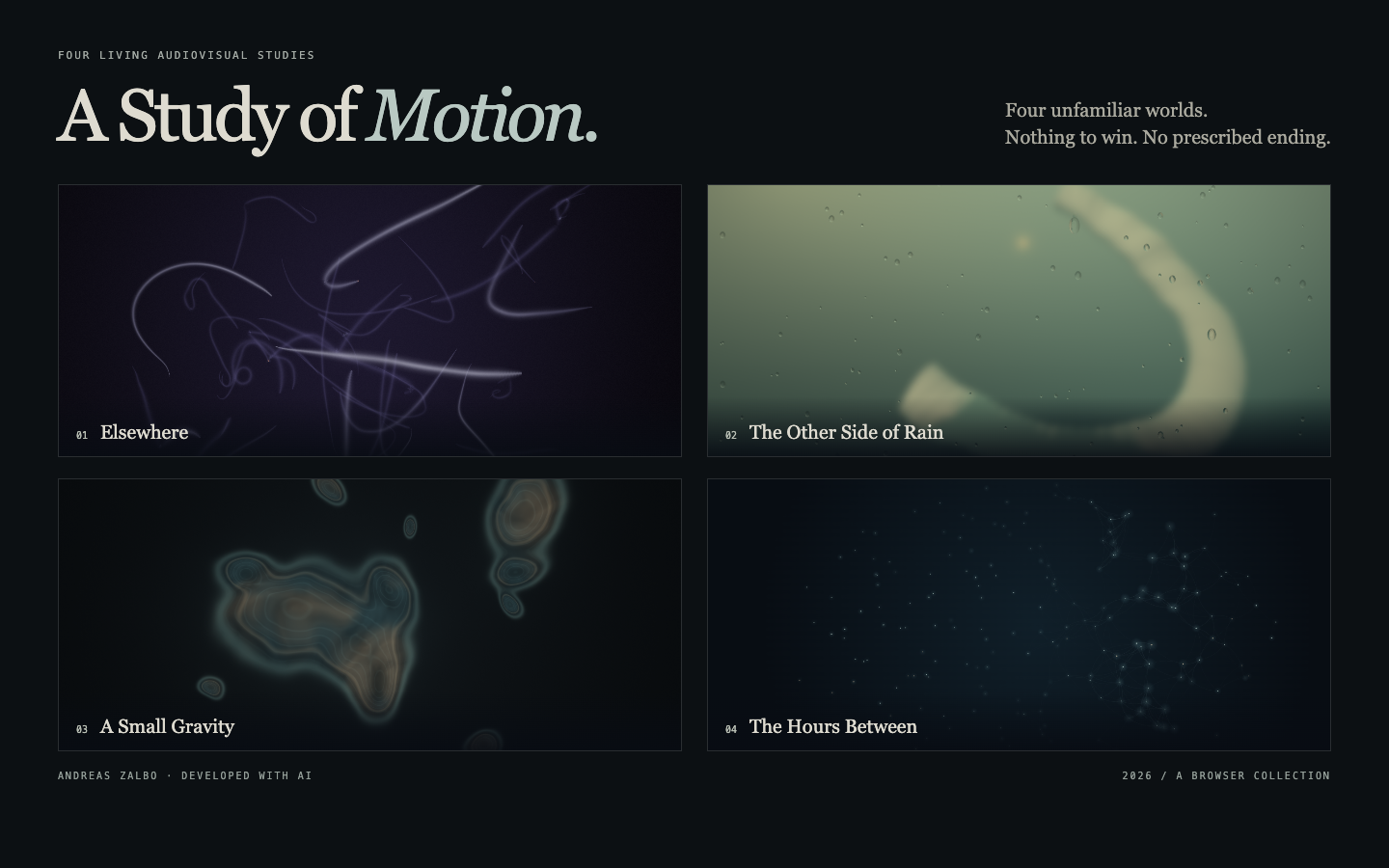
Four living audiovisual studies of fibres, rain, suspended pigment and wandering light. Born from frustration with awkward animation and a question to an AI—“What would you want to sit and watch for hours?”—the collection grew through making, watching and throwing versions away. Each world unfolds in the browser, with optional sound and no prescribed ending.
a-study-of-motion.vercel.app (opens in a new tab)
The disappointment
I wanted something strange and wonderful to sit and watch. We tried a café, characters behind a counter, a shadow theatre. The problem was rarely the artwork. It was the awkward animation and the increasingly elaborate fixes needed to make it behave. I was disappointed, and bored.
A different question
Instead of describing another scene, I asked the AI: “What would you want to sit and watch for hours?” Then I pushed it to leave my earlier ideas behind. That was a creative prompt, not a claim that a model has eyes or wishes. It gave us somewhere else to start: an imagined nature with unfamiliar rules.
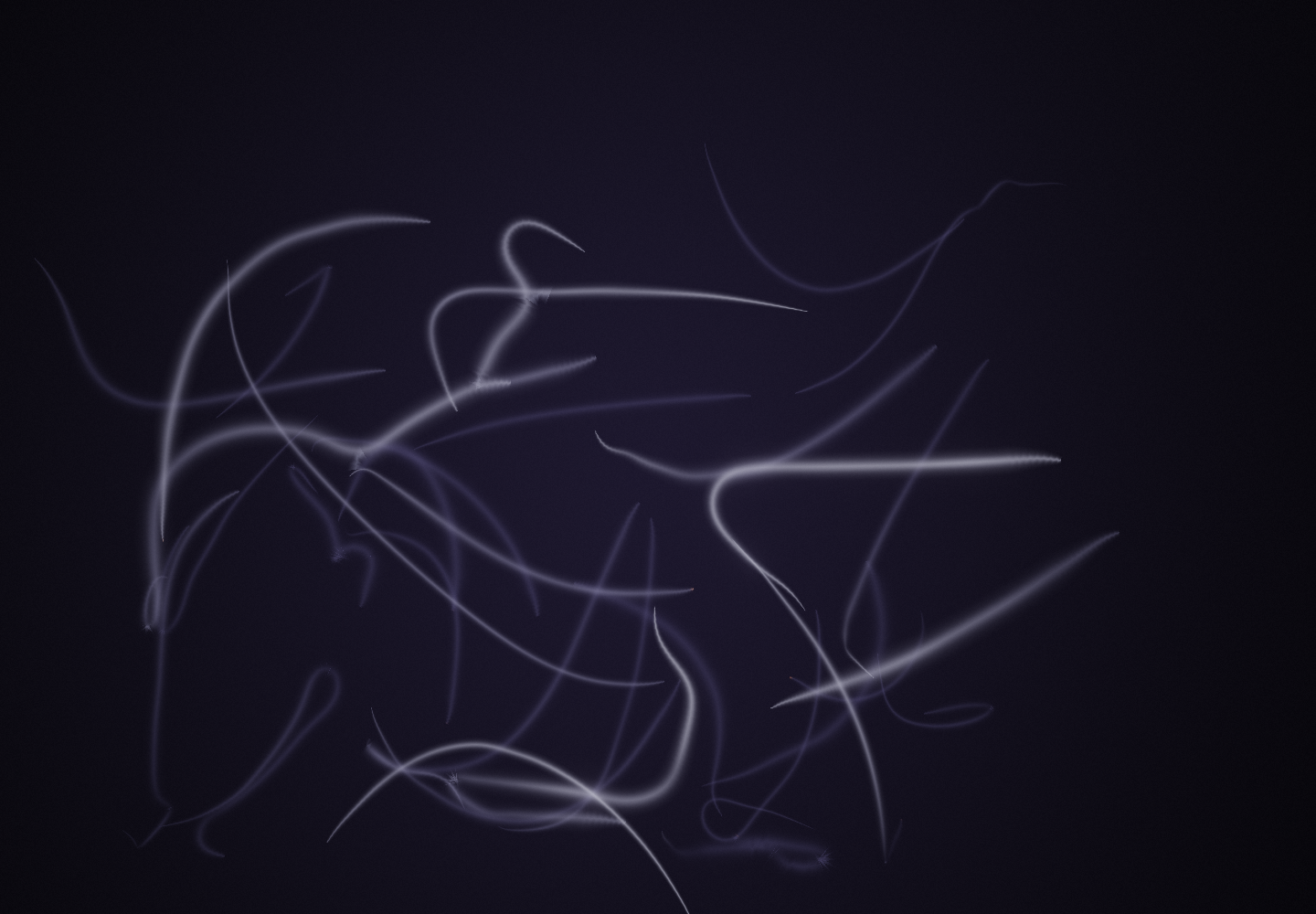
The first result became Elsewhere. It was eerie, but it had something the café did not: movement worth watching for its own sake. I asked for more, and one experiment became four.
Four ways of paying attention
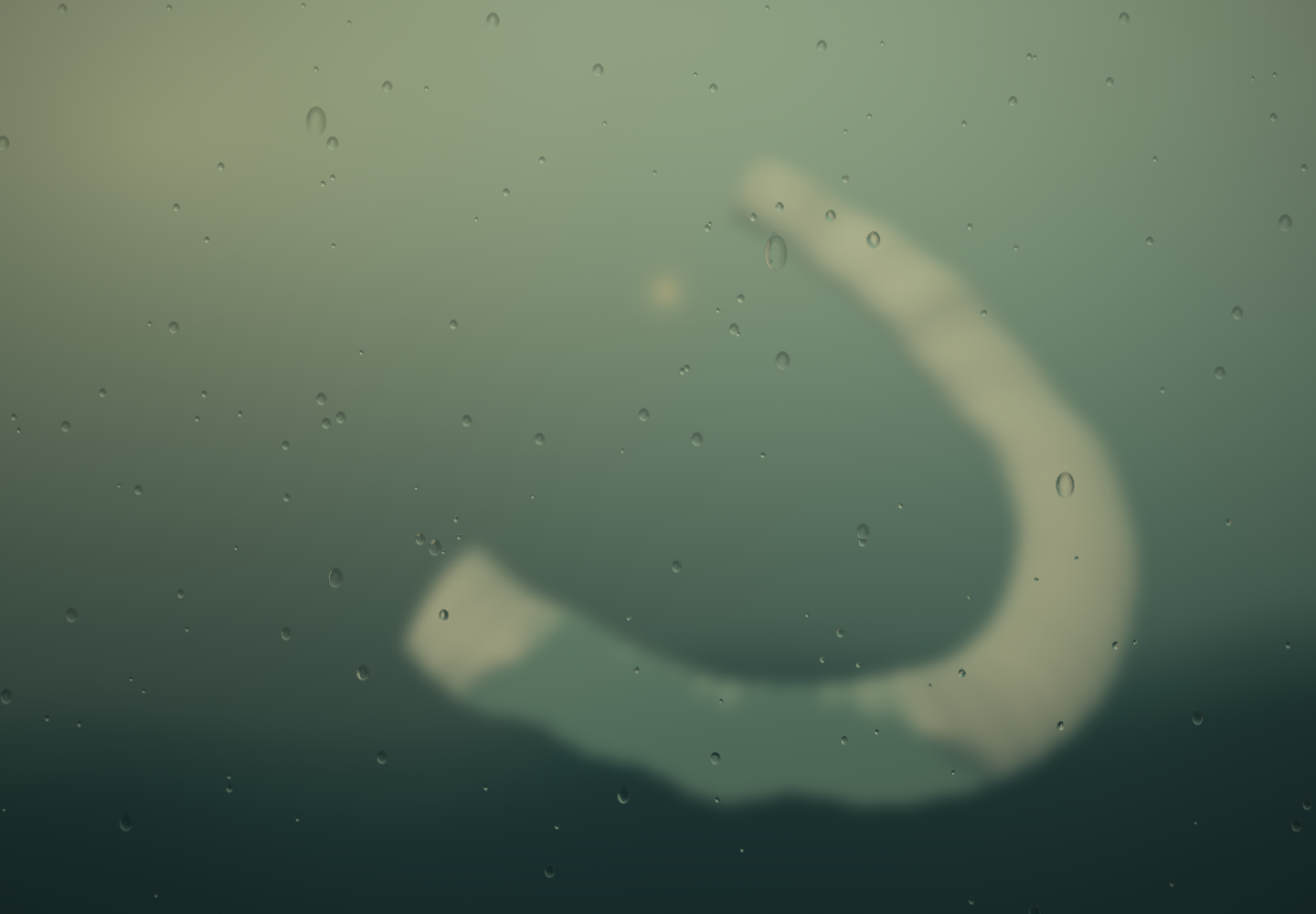
Elsewhere is a field of translucent fibres. Their contacts, tension and ruptures shape both the movement and the sound. The Other Side of Rain puts a wet window between you and a vast, uncertain form. Drops join and run; occasionally the distance makes the glass tremble.
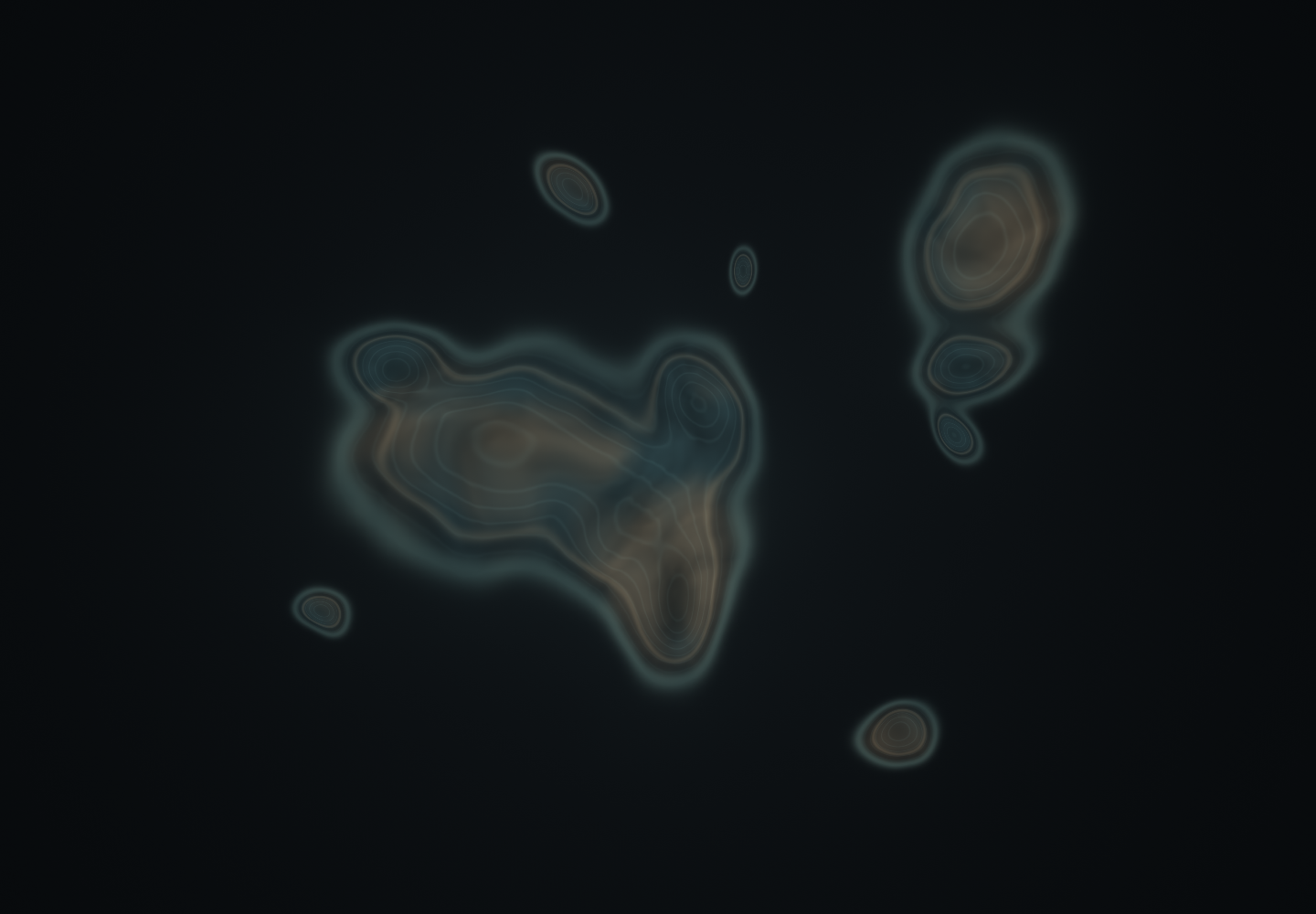
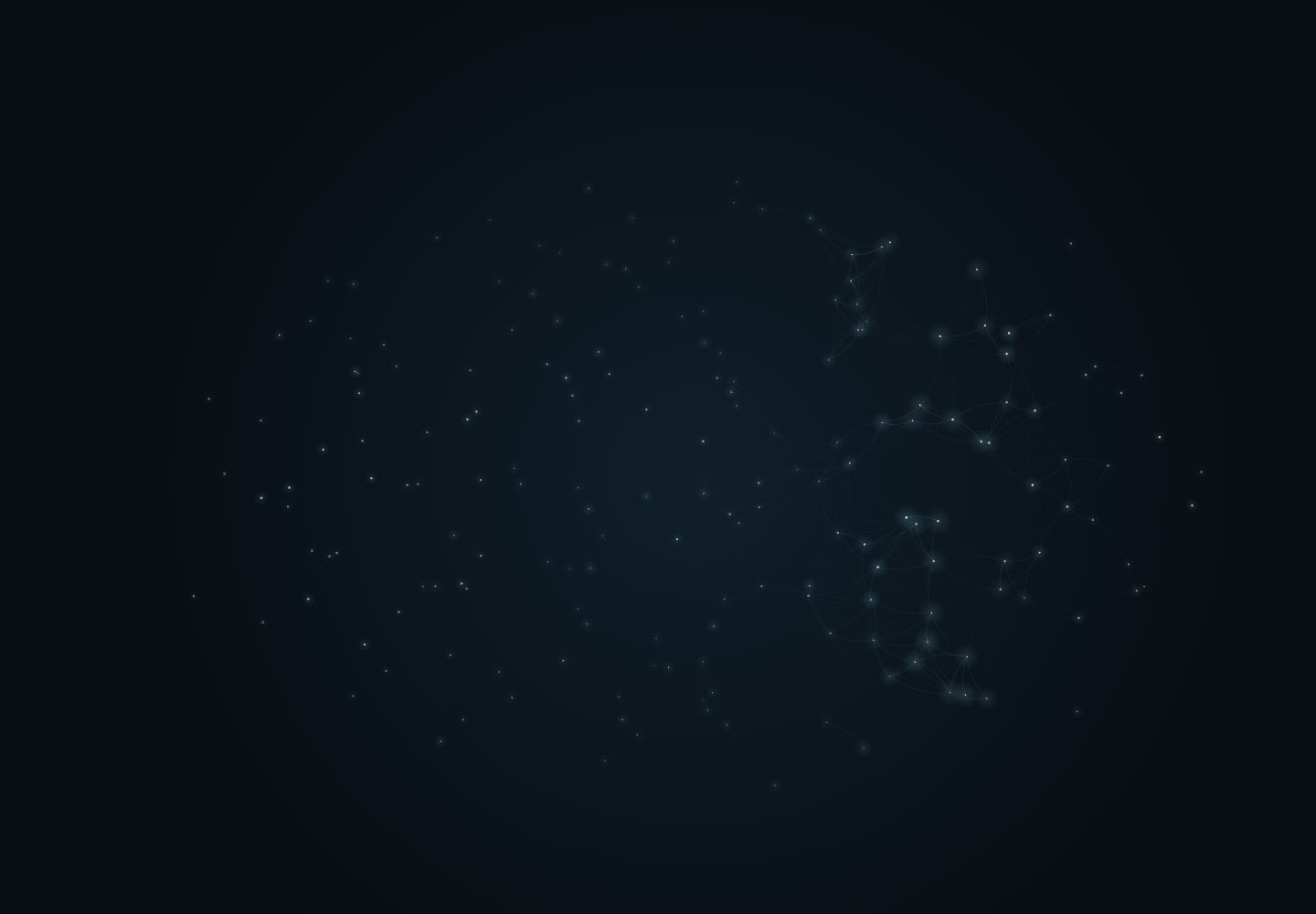
A Small Gravity gathers smoky traces into temporary shapes, with soft boundaries and faint internal contours. The Hours Between begins with scattered lights. A passing illumination reveals curved connections, then leaves the points to wander again.
The versions we threw away
The third study began as my idea: the feeling of barely seeing with the sun in your eyes. The literal version was gimmicky. The abstract versions were dull. A replacement with shiny liquid blobs looked like an early-2000s first render. We kept the gathering and separating, and changed the material into something softer and less familiar.
The sound needed the same editing. Too much static in the rain. Too much mechanical repetition elsewhere. Changes were made, listened to and judged again. Even the first working Elsewhere once appeared as a silent black page. This was a conversation full of revisions, not a finished artwork delivered by one prompt.
What I did, and what the AI did
I set the direction, watched, listened, rejected versions and decided what deserved to stay. I also gave the models room to propose ideas I would not have chosen myself. Codex developed the collection and the studies; Claude Code contributed to Elsewhere. ElevenLabs supplied Elsewhere’s sound textures, which were then shaped by the simulation. The other pieces synthesize their sound in the browser.
The interesting part was the exchange: a suggestion becoming something visible, and an honest reaction changing what came next.
How it is built
The images are drawn live in the browser with JavaScript, WebGL and Canvas. The motion follows small invented systems rather than a prerecorded video. Web Audio handles the sound. The collection loads one study at a time, stops it when you leave, and keeps sound optional. Each piece has pause and fullscreen controls.
What came out of it
Four studies with one entrance, and a different way of working from the project that started it. There is no task for the visitor to complete. The point is to stay long enough for an unfamiliar movement to become recognisable, then notice it change.